 Illinois Injury and Mass Tort Lawyer Blog
Nevro Spinal Cord Stimulator Lawsuits


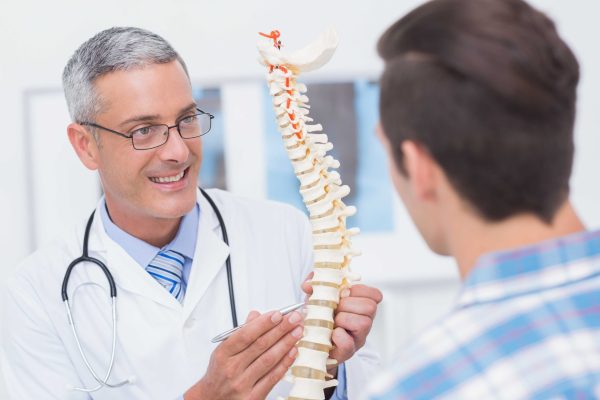 Nevro received FDA approval for the Senza spinal cord stimulator system (SCS) providing HF10 therapy in May 2015. This system was different from conventional stimulators because it was designed to provide electrical pulses at a much higher frequency directly to the spinal cord. The Nevro spinal cord stimulator (SCS) lawsuits claim that specific Senza, HF10, and HFX systems don’t offer the pain relief they promise and cause significant complications. These lawsuits allege there were inadequate warnings, manufacturing defects, misrepresentations, improper device programming, and post-market reporting failures. Plaintiffs claim that changes made through the FDA’s premarket approval supplements changed the components of the device with inadequate clinical validation and disclosure. Plaintiffs requested centralization of the lawsuits. In June, an industry-wide multidistrict litigation was denied, but on October 2, 20 lawsuits against Nevro were centralized. If you were injured by a Nevro spinal cord stimulator, call the seasoned Chicago-based product liability lawyers of Moll Law Group. Billions have been recovered in cases with which we’ve been involved.
Call Moll Law Group About Your Claim
The Nevro HF10, later called the HFX, which is a 10kHz high frequency therapy, was marketed as being better than traditional SCS therapy for back and leg pain because the HF10 didn’t cause paresthesia (abnormal skin sensations) the way the traditional therapy did. In July 2021, the FDA expanded its approval for the device to treat diabetic neuropathy. Later the indications were expanded to include refractory back pain and chronic neuropathy, and then even further expanded to treat leg pain, low back pain, and management of failed back surgery syndrome. Eventually various lawsuits were filed against Nevro because of problems that allegedly arose in connection with use of Senza, HF10, and HFX systems.
In one product liability lawsuit filed in a federal court in Ohio, the plaintiff alleged that two Nevro spinal cord stimulators didn’t offer the necessary relief and instead caused permanent nerve damage, weakness, numbness, electrical shocks and burning pain. It also alleged that Nevro representatives claimed the problems were the result of programming and sometimes adjusted the devices without a treating doctor present.
 Chronic pain is debilitating. Neurostimulation or spinal cord stimulation (SCS) is one type of pain management; it works by sending low intensity electrical impulses to a patient’s nerve structures. Abbott makes various kinds of SCS systems that plaintiffs allege are flawed and caused injuries. Lawsuits have been filed that allege the SCS implants can break through skin, migrate, give painful shocks, cause nerve damage and fail outright; these may require expensive revision or removal surgery. On October 2, the JPML centralized
  Hamilton Medical, Inc. ventilator coaxial breathing circuits are used to connect HAMILTON-C1/T1/MR1 ventilators to a patient tube or respiratory mask in the course of ventilation of a patient. Recently, the Food and Drug Administration (FDA) announced that it is aware that the manufacturer Hamilton Medical has sent a
 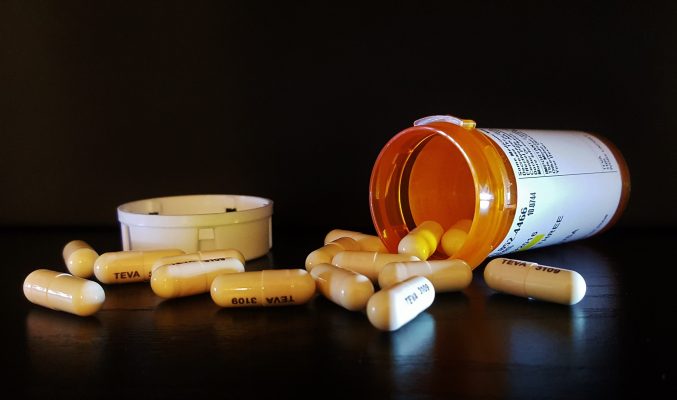 Gabapentin is a prescription medication, gamma aminobutyric acid (GABA) analogue, that reduces the excitability of neurons. It is used to control and prevent partial seizures, to relieve neuralgia, and to treat restless legs syndrome. It’s also used off label to address anxiety disorders, migraines, insomnia, drug and alcohol withdrawal symptoms, and for non-approved pain problems like nerve pain from sciatica. The brand names of gabapentin are Neurontin, Horizant, and Gralise. Some states have classified gabapentin as a Schedule V controlled substance due to the number of deaths from overdose, but prescriptions are climbing anyway.
  On August 3, 2026, plaintiffs filed
  In June, the Consumer Product Safety Commission (CPSC) and Galanz Americas Limited announced a recall of the latter’s
 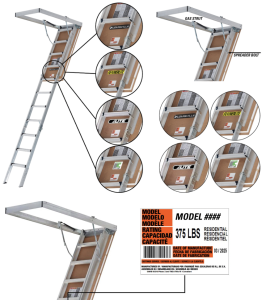 In August, Louisville, Featherlite, Lite & Century Attic Stairway Ladders with gas struts were
  On August 6, 2026, OKK Trading
  On June 11, 2026,
  On June 4, TOMY recalled its 8 oz.